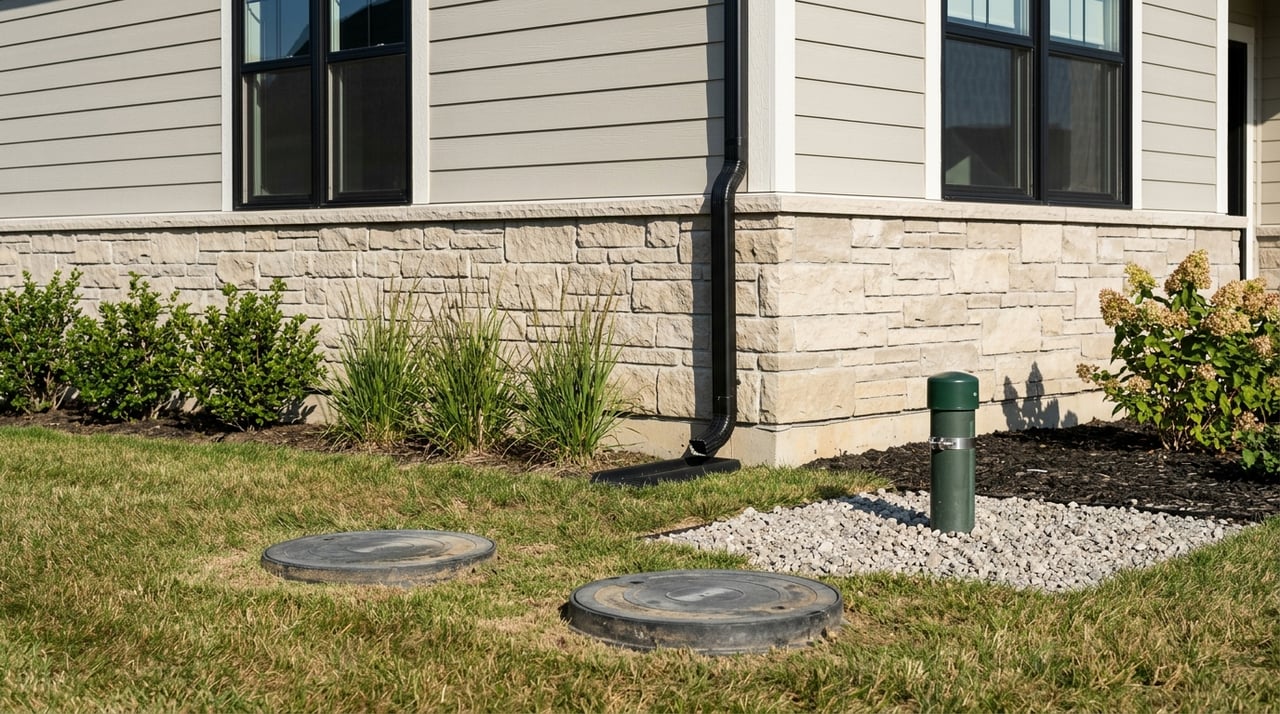
Buying acreage in Spring Hill can feel exciting right up until the questions start. Is the property on septic? Does the well have records? Which county actually handles the permits? If you are considering a house on land here, understanding a few septic and well basics can help you avoid surprises, ask better questions, and move forward with more confidence. Let’s dive in.
Start With County Jurisdiction
One of the most important first steps for a Spring Hill acreage buyer is confirming whether the property is in Miami County or the Johnson County portion of Spring Hill. That matters because septic and well records, inspections, and local requirements can change based on the parcel’s location.
Spring Hill’s official property mapping resources point buyers to both Johnson County AIMS and Miami County Beacon GIS because the city spans both counties. Before you rely on a seller disclosure, an old permit, or a contractor’s opinion, make sure you know which county office has authority over that specific parcel.
In Miami County, Environmental Health permits and inspects septic-system and private-water-well installations. It also licenses septic installers, designers, and pumpers. In Johnson County, the county’s on-site sewage program inspects new systems, handles certain existing systems tied to property transfers, and licenses installers and pumpers.
Understand Septic Basics First
For many acreage buyers, the septic system is the biggest technical wildcard. A septic system may look simple from the surface, but performance depends on soil conditions, layout, age, maintenance, and whether the system was properly permitted and installed.
Kansas guidance says household wastewater must go to an approved sewage collection system, lagoon, septic system, or alternative system. Seepage pits, cesspools, and dry wells are not permitted. Local sanitary codes can also be stricter than the state minimums, which is why county-level review matters so much.
Soil Conditions Matter
The biggest practical question is whether the site can support a conventional absorption field. Kansas guidance highlights several site issues that can affect system design or limit options, including shallow bedrock, high groundwater, poor drainage, slow permeability, and steep slopes.
That means two acreage properties with the same number of acres can have very different septic realities. A pretty view and open ground do not automatically mean an easy or low-cost septic setup.
Bedroom Count Affects Design
Another detail buyers often miss is that Kansas septic design flow is estimated by bedroom count, not just by how many people currently live in the house. So if you are considering a future remodel, basement finish, or addition that changes the bedroom count, that can affect the system capacity you need.
This is especially important on acreage properties where buyers may want to expand the home over time. A system that works for the current layout may not fit your future plans without changes.
What Septic Age Can Tell You
Age alone does not tell the whole story, but it does give useful context. A concrete septic tank may last 50 years or more, while drainfields that are 25 to 30 years old may be nearing the end of their useful life or losing performance.
If the system includes pumps or controls, those parts often need replacement sooner than the tank itself. In other words, an older system is not automatically a deal breaker, but it does deserve closer review and better documentation.
When Jamie Howell helps buyers evaluate acreage, this is the kind of systems-based thinking that matters. You want to know not just whether something exists, but how it functions, how it has been maintained, and what it may mean for your ownership costs later.
Know the Warning Signs of Septic Trouble
Even before a formal inspection, a property showing can reveal useful clues. If you notice slow drains, sewage odors, wet or spongy ground, unusually lush grass over one area, backups, or surface discharge, those are warning signs worth taking seriously.
These conditions can be consistent with a failing septic system. If you spot any of them, it is smart to raise the issue with your inspector and the relevant county office before you finalize an offer.
Ask for Septic Records Before You Write
Acreage buyers should treat septic paperwork like part of the property itself. The records can tell you a lot about how the system was designed, whether work was approved, and how well it has been maintained.
A practical septic document request includes:
- Septic permit
- Final approval documents, if available
- Repair or alteration history
- Last pumping date
- Pumper invoice or service record
- Any resale inspection documents, if required
Kansas and national septic care guidance both stress that maintenance records matter. If a seller cannot provide much documentation, that does not always mean the system is failing, but it does increase uncertainty.
Johnson County Has a Key Resale Rule
If the property is in the Johnson County portion of Spring Hill and in a covered area, a resale inspection is required before a residential property is bought or sold. For that inspection, the septic tank must be pumped out.
That is a major point for buyers to know early. It can affect timing, negotiation, and how you write contingencies into an offer.
Johnson County also requires new owners in covered areas to apply for a system use permit within 60 days after purchase. If you are buying acreage in this part of Spring Hill, those county requirements should be part of your due diligence checklist from day one.
Private Well Basics Matter Too
A private well is another area where buyers should look beyond surface impressions. Clear water at the kitchen sink does not tell you everything about well construction, location, condition, or contamination risk.
In Miami County, private wells must be permitted by Environmental Health, built and sited to state specifications, drilled by a Kansas-licensed contractor, and recorded with the state after drilling. Abandoned wells must also be plugged, and those records matter because an old unused well can become a contamination pathway.
Construction and Location Matter
Kansas guidance puts strong emphasis on well location and construction, not just a one-time water sample. A poorly constructed well can test fine one day and become contaminated after heavy rain.
That is why Kansas guidance recommends having a private well inspected by a public health professional before bacterial testing is done. The physical setup matters just as much as the lab result.
Separation From Septic Is Important
K-State and KDHE guidance recommends keeping private wells separated from contamination sources. For example, guidance lists a minimum 50-foot separation from watertight septic tanks and wastewater absorption fields, with larger preferred distances.
This is one reason a site walk matters so much on acreage. You want to understand where the house, well, septic system, field, drainage patterns, and any outbuildings or livestock areas all sit in relation to one another.
What Well Testing Should Include
For routine testing, KDHE recommends testing private wells for coliform bacteria and nitrates at least once a year. Retesting is especially important after flooding, recent repairs, changes in color or clarity, odor or taste changes, or recurring digestive illness.
On acreage, nitrate testing can be especially relevant if livestock facilities, fertilizer storage, or a septic system are or have been nearby. This is another reason buyers should ask for past water-test results before moving forward.
A practical well document request includes:
- Well record
- Most recent coliform test results
- Most recent nitrate test results
- Repair history, if available
- Documentation showing whether any abandoned wells were plugged
Well records can provide useful construction details such as depth, casing, grouting, and yield. That information helps you ask better follow-up questions during inspections and negotiations.
Walk the Property With a Critical Eye
Acreage due diligence is not just paperwork. A careful walkthrough can reveal conflicts that affect the well, septic system, or both.
As you tour the property, look for:
- Vehicles parked over the drainfield
- Downspouts or runoff routed toward the field
- Livestock areas too close to the well
- Compost, fuel, or pesticide storage near the wellhead
- Planned additions, fencing, or outbuildings that could interfere with access or setbacks
Kansas guidance also emphasizes keeping heavy traffic and planting off drainfields. What looks like convenient use of open ground today can create repair or maintenance problems later.
A Smart Offer Starts With Smart Questions
Before writing an offer on a Spring Hill acreage property, it helps to gather a clear basic file. The most useful buyer questions usually cover system age, permit history, maintenance, water testing, and whether any county-specific inspection or permit requirement applies.
Here is a practical checklist to work through:
- Which county is the parcel in?
- Is there a septic permit and final approval on file?
- When was the septic tank last pumped?
- Has the septic system had repairs or alterations?
- Is a resale inspection required?
- Is there a well record on file?
- When were coliform and nitrate tests last completed?
- Are there any abandoned wells, and if so, were they properly plugged?
- Do site conditions or future plans create concerns for setbacks, maintenance, or expansion?
For acreage buyers, asking these questions early can save time, reduce stress, and strengthen your negotiating position. It also helps you separate manageable maintenance items from true red flags.
Why Local Guidance Matters in Spring Hill
Spring Hill acreage purchases often blend lifestyle appeal with technical complexity. You may be shopping for privacy, room for animals, a workshop, or simply more space, but the systems behind that lifestyle deserve careful attention.
Because Spring Hill spans two counties, local process matters more than many buyers expect. Knowing where to check records, what inspections may be required, and which questions to ask can make the difference between a smooth transaction and a frustrating one.
If you are looking at acreage in Spring Hill or nearby rural areas, working with someone who understands both the lifestyle and the due diligence can make the process much clearer. Jamie Howell brings an engineering-minded approach to acreage purchases and helps buyers navigate the well, septic, survey, and land questions that often come with house-on-land properties.
FAQs
What county handles septic records for a Spring Hill acreage property?
- It depends on the parcel location. Spring Hill spans both Miami County and Johnson County, so you should confirm jurisdiction first before relying on septic records or inspection requirements.
What septic rule applies to Johnson County Spring Hill home sales?
- In Johnson County covered areas, a resale inspection is required before a residential property is bought or sold, and the septic tank must be pumped out for that inspection.
What septic documents should Spring Hill acreage buyers request?
- Ask for the septic permit, final approval if available, repair history, last pumping date, and any pumping or inspection invoices.
What well records should Spring Hill acreage buyers ask for?
- Ask for the well record, recent coliform and nitrate test results, repair history if available, and any documentation showing abandoned wells were properly plugged.
How often should a private well in Kansas be tested?
- KDHE recommends testing private wells for coliform bacteria and nitrates at least once a year, with extra testing after flooding, repairs, or changes in water quality.
What are warning signs of septic problems on acreage property?
- Watch for slow drains, backups, sewage odors, wet or spongy ground, unusually lush grass over the field, or surface discharge.
Why does bedroom count matter for a septic system in Kansas?
- Kansas septic design flow is based on bedroom count, so adding bedrooms through a remodel or addition can affect whether the current system still fits the home.
Why should Spring Hill acreage buyers confirm well and septic locations during a walkthrough?
- A site walk can reveal runoff issues, vehicle traffic over the drainfield, nearby contamination sources, and future building plans that could interfere with maintenance or required separation distances.