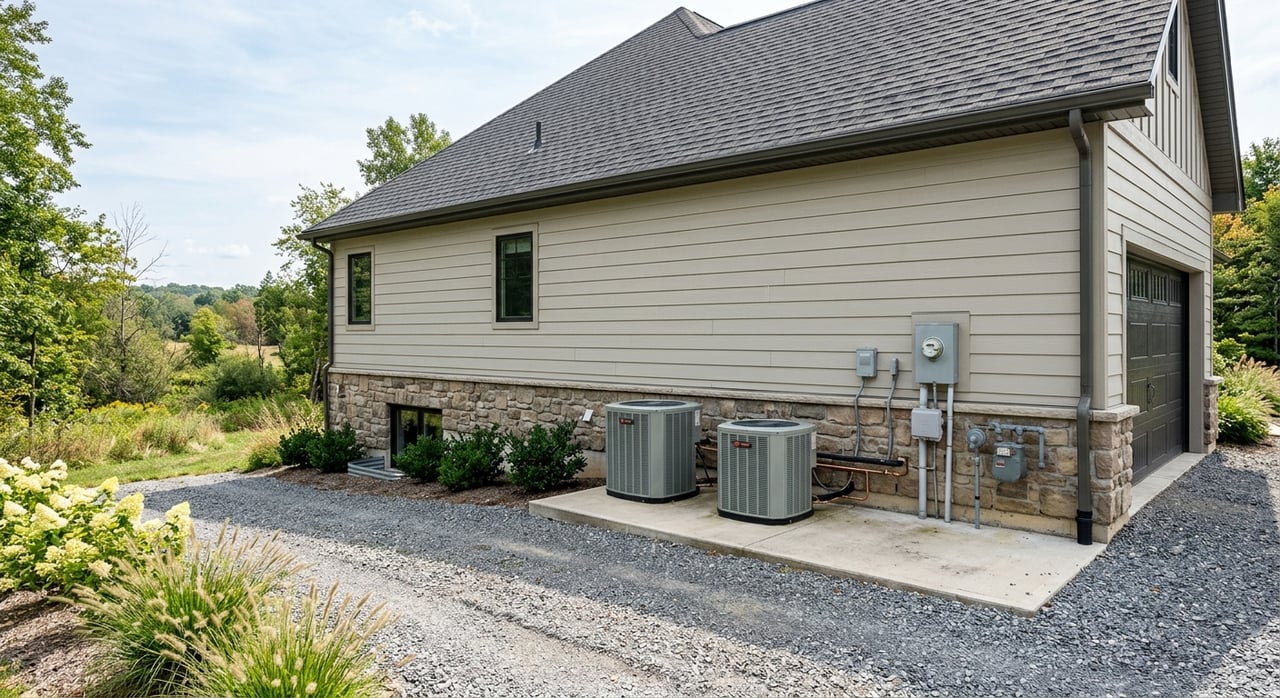
Buying your first acreage property in Olathe can feel exciting right up until the practical questions start piling up. Is the home on city utilities or private systems? Can you add a shop later? Are drainage, septic, or boundary issues hiding behind a beautiful view? If you want more space without more surprises, this guide will help you focus on the details that matter most before you write an offer. Let’s dive in.
Why acreage buying feels different
When you buy a home on acreage, you are not only buying the house. You are also buying the land systems that support daily life, future projects, and long-term maintenance.
That is a big shift if you are coming from a typical subdivision in Olathe. On acreage, utility setup, drainage patterns, legal boundaries, and permit questions can affect your costs just as much as the floor plan or finishes.
A smart first step is to confirm whether the property is inside Olathe city limits or in unincorporated Johnson County. That can affect utility providers, drainage rules, and permitting requirements.
Start with utility basics
Before you get attached to a property, verify how the home is served. In Olathe, utility service can vary by address, and the provider should be confirmed through Johnson County Location Services.
Within Olathe city limits, water may come from the City of Olathe or WaterOne. Sewer service may come from the City of Olathe or Johnson County Wastewater.
Water and sewer questions to ask
Ask the seller or listing agent to clarify:
- Whether the property uses municipal water, a private well, or another arrangement
- Whether the property uses municipal sewer or a private septic system
- Who the current utility providers are for that specific address
- Whether there have been any recent repairs to water or sewer service lines
If the property is connected to city water, keep in mind that the City of Olathe says property owners are responsible for the water service line from the meter to the home and for the plumbing inside the home. The city also notes that if a sewer blockage is in the service line rather than the main, the property owner is responsible for repairs.
Understand wells and septic early
Private systems are not automatically a problem. They just require a little more due diligence.
If the property has a private well, the Kansas Department of Health and Environment says private domestic wells are not public water supply systems and are not regulated by the Public Water Supply Section. The owner is responsible for maintenance and testing, and wells require annual maintenance.
That means well condition should be part of your normal inspection planning. You will want to know how the well has been maintained and whether testing has been done.
Septic matters in Johnson County
If the home uses septic, Johnson County has specific rules that first-time acreage buyers should understand. The county says a resale inspection is required before a residential property served by a private sewage treatment system is bought or sold in areas covered by the code.
After closing, a new owner in a covered area must apply for a System Use Permit within 60 days. The county also says the tank should usually be pumped every 3 to 5 years by a licensed pumper.
This is one of the clearest examples of why acreage buying is different. You are not just evaluating the house today. You are also stepping into ongoing maintenance responsibilities.
Ask these septic questions
Before you move forward, ask for:
- The most recent septic inspection report
- Pumping and service records, if available
- The location of the tank and lateral field
- Any known repairs or issues
- Confirmation of whether the property is in an area covered by the county code
Johnson County also says licensed installers and pumpers are required for septic work. The county advises owners to protect the lateral field and contact JCDHE before adding fences, decks, exterior buildings, or other alterations near the system.
Drainage deserves a closer look
On acreage, water movement across the land matters. Low spots, swales, culverts, and runoff paths can affect how usable the property feels and how costly future improvements may become.
Johnson County says all land in the county is in a watershed, and stormwater runoff is not treated the way wastewater is. In unincorporated Johnson County, development projects that disturb more than one acre must treat stormwater for pollutants before releasing it into the storm system.
For you as a buyer, that means drainage is not just a rainy-day annoyance. It is part of the property’s long-term maintenance and planning picture.
Look for signs of drainage issues
As you tour acreage properties, pay attention to:
- Standing water or soggy areas
- Noticeable erosion
- Deep swales or drainage channels
- Culverts near driveways or road access
- Sloped areas where you might want to build later
If you hope to add a barn, detached garage, shop, or expanded driveway, stormwater rules may matter even more in unincorporated areas. Johnson County says stormwater treatment facilities require routine maintenance and annual inspections for the life of the project.
Boundaries, easements, and future plans
Acreage often looks simple from the road, but the legal shape of the land may be more complicated than it appears. Fence lines, tree lines, and mowed areas do not always tell the full story.
Johnson County’s AIMS office says plats may contain easements, but easements not associated with a plat must be researched separately. The same resource says property data should be used for planning only because a survey should be conducted to locate the property boundary.
That is especially important if you plan to build, fence, or rework part of the site. A survey can help you understand what you actually own and what limitations may affect your plans.
Questions to ask about the land
Ask about:
- Whether a recent survey is available
- Known easements on or across the property
- Whether any structures, fencing, or drives are near boundary lines
- What permits may be required for future additions
Johnson County also notes that building permit requirements vary by city. That makes the exact location of the parcel even more important when you are thinking ahead.
Think in needs first, wants second
One of the easiest mistakes first-time acreage buyers make is falling in love with the look of the property before confirming whether the basics work. Open land, mature trees, and a big outbuilding can be exciting, but they should come after the core due diligence items.
A practical way to stay grounded is to classify anything tied to water, wastewater, drainage, boundaries, permitability, or financing as a need. These are the items that can create major cost, delay, or deal-breaking issues.
Acreage needs vs. wants
| Category | Usually a Need | Usually a Want |
|---|---|---|
| Utilities | Confirmed water and sewer setup | Preferred utility layout |
| Private systems | Well condition and septic status | Extra outdoor fixtures |
| Land use | Drainage, access, permitability | Mature landscaping |
| Legal clarity | Survey boundaries and easements | Fence style |
| Financing | Loan eligibility by address | Stretch acreage size |
This simple filter can help you make calmer decisions. It also keeps your search focused on properties that fit both your lifestyle and your risk tolerance.
Know the tax and ownership picture
The cost of owning acreage is more than your mortgage payment. Property taxes are a real part of your monthly and annual budget.
Johnson County’s Appraiser’s Office discovers, lists, and values all taxable property in the county and sends Notices of Appraised Value annually. If you are buying acreage for the first time, it helps to understand that the appraisal and tax picture should be part of your review early in the process.
Financing can depend on the exact parcel
If you are hoping for a low-down-payment option, parcel eligibility matters. USDA Rural Development says its Section 502 Guaranteed Loan Program is for a primary residence in an eligible rural area, applicants cannot exceed 115 percent of area median household income, and the property cannot be income-producing.
USDA also says there is no set acreage cap, but eligibility must be confirmed by address through an approved lender. That means some properties near Olathe may fit USDA rules, while others may not.
This matters even more if the property has barns, hobby-farm features, or any income-producing use. If your financing depends on rural eligibility, verify that early before you get emotionally invested.
A simple first-time acreage checklist
Before writing an offer on acreage in Olathe, try to confirm these items:
- Whether the parcel is inside Olathe city limits or in unincorporated Johnson County
- The exact water and sewer providers for the address
- Whether the property uses a private well or septic system
- The most recent well maintenance, testing, septic inspection, and pumping history
- Drainage patterns, low areas, and runoff concerns
- Survey availability and known easements
- Whether your future plans may require permits or additional review
- Whether the property fits your financing option by address and use
If you plan any future excavation for fencing, drainage work, irrigation, or similar projects, Olathe says a utility locate must be requested at least two full working days before digging.
Final thoughts for Olathe buyers
Your first acreage purchase does not have to feel overwhelming. The key is to treat the land, utilities, and future use of the property as part of the buying decision from day one.
That is where careful guidance can make a real difference. When you ask the right questions early, you can enjoy the space and freedom acreage offers without being blindsided by preventable issues later.
If you are exploring acreage in Olathe and want a clear, practical plan for evaluating land, wells, septic, easements, and next steps, Jamie Howell, LLC is here to help.
FAQs
What should a first-time acreage buyer in Olathe verify first?
- Start by confirming whether the property is inside Olathe city limits or in unincorporated Johnson County, because that can affect utility providers, drainage rules, and permitting.
How do I know if an Olathe acreage property uses city utilities or private systems?
- Verify the setup for the specific address, because water and sewer service in Olathe can vary, with service sometimes provided by the City of Olathe, WaterOne, or Johnson County Wastewater.
Does a septic system inspection matter when buying acreage in Johnson County?
- Yes. Johnson County says a resale inspection is required before a residential property served by a private sewage treatment system is bought or sold in areas covered by the code.
What should I know about private wells on acreage in Olathe?
- KDHE says private well owners are responsible for maintenance and testing, and wells require annual maintenance, so well condition should be part of your due diligence.
Why are surveys and easements important for acreage properties in Olathe?
- Johnson County says property data should be used for planning only and that a survey should be conducted to locate the property boundary, while easements may require separate research.
Can USDA financing work for an acreage property near Olathe?
- It can for some properties, but USDA says eligibility must be confirmed by address, the home must be a primary residence in an eligible rural area, and the property cannot be income-producing.