Looking for a Lenexa home where you can add a real workshop, detached garage, or even a barn? That goal is possible in some parts of Lenexa, but it is rarely as simple as finding a big backyard. Zoning, lot size, setbacks, easements, floodplain limits, and HOA rules can all shape what you can actually build. If you want to avoid buying the wrong property for your plans, this guide will show you what to check first and how to narrow your search with more confidence. Let’s dive in.
Start With Your End Goal
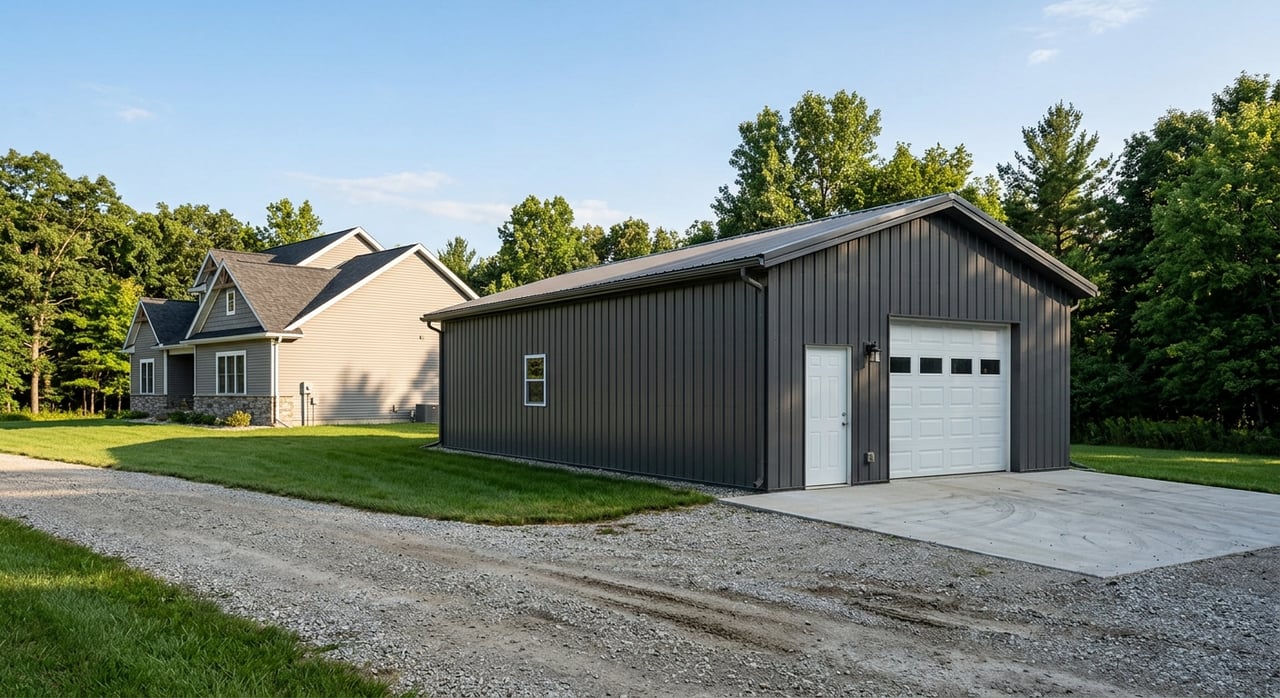
Before you tour homes, get specific about what you mean by “space for a shop or barn.” In Lenexa, a detached workshop or storage building is usually treated as an accessory structure, while a true barn for animals falls under a different set of rules.
That distinction matters right away. If you want a hobby shop, oversized garage, or equipment storage building, your search should focus on parcels that can support an accessory building under city rules. If you want a barn for horses or other livestock, you need to start with zoning that allows livestock and poultry.
Know Which Zoning Matters
Lenexa’s accessory-structure guide applies to AG, RE, RP-E, R-1, RP-1, and RP-2 zoning districts. The city’s planning toolkit also points buyers to the zoning and future land use map plus the property lookup tool for parcel-level verification.
For animal use, the rules are narrower. Lenexa allows livestock and poultry only in AG, RE, and Planned Residential Estate zoning, and the city notes that most Lenexa subdivisions are not zoned for that use. If your goal is a true barn for animals, this is the first filter to apply.
For a detached shop, workshop, or garage, more properties may qualify. Even then, zoning still affects where the structure can go, how large it can be, and whether it fits the district’s open-space standards.
Lot Size Changes Your Options
Lot size is one of the biggest factors in whether a property can support a meaningful outbuilding. In Lenexa, the base lot sizes and open-space standards vary by zoning district.
Here are the general thresholds the city uses in its property development table:
- AG: starts at 20 acres with 90% open space
- RE and RP-E: start at 43,560 square feet, or 1 acre, with 75% open space
- R-1 and RP-1: start at 8,000 square feet with 60% open space
- RP-2: starts at 5,000 square feet with 60% open space
For many buyers, that means 1-acre-plus properties deserve extra attention if you want more flexibility for a detached shop. Larger lots often give you more room to work with, but they do not automatically guarantee approval.
Understand Lenexa’s Size Limits
If you are shopping in R-1, RP-1, or RP-2, Lenexa sets clear accessory-building size caps based on lot size. These limits are especially important when buyers picture a large workshop or storage building.
The city’s accessory-structure guide says:
- Lots under 1 acre are limited to 250 square feet for each 3,000 square feet of lot area, up to 1,500 square feet total
- Lots from 1 to under 2 acres can have 2,000 square feet
- Lots from 2 to under 5 acres can increase from 1,500 square feet by 1,000 square feet for each full acre above 1
- Lots 5 acres or larger have no accessory ground-floor area limit if setback and open-space rules are met
This is one reason two homes with similar yard space can offer very different outcomes. A property may look ideal from the street, but the zoning district and lot size can create very different size allowances.
Placement Rules Matter More Than You Think
A buildable-looking yard is not the same as a buildable site. Lenexa reviews accessory structures for setbacks, building lines, and utility easements before issuing a permit.
In most cases, accessory structures are expected to go in the rear yard. On parcels larger than 1 acre, the city does allow some front-yard placement when approved by the director and when the structure remains behind the required front and side setback lines.
Permanent structures cannot be placed in easements. That means a lot with utility easements or other recorded restrictions may have less usable building area than you expect.
The city also notes that setback requirements change by district and by building size. You should never assume that because one home in Lenexa has a detached shop, another nearby lot can support the same thing.
Permit Rules To Expect
Most detached accessory buildings in Lenexa require a permit. That includes structures such as detached garages, carports, gazebos, and sheds.
There is one small exception. Detached accessory buildings of 120 square feet or less do not require a permit, but they still must meet setback requirements.
If a structure is attached to the house, a building permit is required regardless of size. For a permit application, the city wants a scaled plot plan showing property lines, dimensions, existing and proposed structures, setbacks, easements, and rights-of-way, along with construction drawings and related details.
Design Standards Can Affect Your Plan
Your future shop or outbuilding also needs to meet design standards. In Lenexa, residential accessory structures can be up to 25 feet tall.
If the structure is larger than 200 square feet, the city expects quality materials and a design that matches the dwelling in character. For buyers, this is important because the total project is not only about whether a building fits, but also whether your planned design aligns with city standards.
HOA Rules Can Override Expectations
City approval is only part of the picture. If a home is in a subdivision with an HOA, recorded covenants or architectural rules may place additional limits on detached buildings, exterior storage, RV pads, or barn-style uses.
Lenexa’s HOA page makes clear that the city’s association list is not comprehensive. Because of that, HOA review needs to happen at the parcel level, not just by neighborhood name.
This is a key step that buyers sometimes miss. A property may meet city zoning standards and still run into private subdivision restrictions.
Use Lenexa’s Mapping Tools Early
Lenexa gives buyers a practical starting point through its planning toolkit. The city says you can use the zoning and future land use map to search properties and see what they are zoned for, while the property lookup tool adds parcel details like plats, zoning, flood information, and school district data.
These tools are especially helpful before you fall in love with a listing. They can help you sort promising homes from homes that are likely to create problems later.
The city’s future land use map also suggests that more land-oriented opportunities may be found on the outer edges of Lenexa, especially in west and northwest areas and in scattered fringe pockets. More central and eastern areas tend to shift toward suburban-density, higher-density, mixed-use, business park, and institutional designations.
That said, the future land use map is not a parcel-by-parcel zoning decision. It can help you focus your search, but each property still needs individual verification.
Don’t Skip Floodplain Review
Larger and greener lots often attract buyers who want room for a shop or barn, but those same lots can come with flood-related constraints. Lenexa says it can tell property owners whether a site is in the current flood hazard area, floodway, or a historical flood area.
The city also says it restricts development in flood plains and uses stormwater rules to limit flood risk. If a property is in the flood hazard area, flood insurance is required for federally backed loans.
For buyers, this means flood review is not only a financing issue. It can also affect where and whether you can build the outbuilding you want.
Ask These Questions On Showing Day
When you walk a property, keep your checklist focused. The best questions for this type of purchase are practical and parcel-specific.
Use this shortlist:
- What is the exact zoning district?
- What is the recorded lot size and plat?
- Are there easements, floodplain issues, or stream setbacks?
- Is there an HOA or architectural review process?
- Is your intended use a storage building, workshop, or animal barn?
Those questions can quickly tell you whether a home is worth deeper due diligence. They can also save you from writing an offer on a property that cannot support your actual goals.
If You Want To Use The Shop For Business
Some buyers want a detached shop for more than storage or hobbies. If you hope to run a business from the property, Lenexa requires a home occupation license.
The city also says the home business must remain residential in character and comply with city code. That makes this another issue to verify before you buy, especially if the workshop is tied to your work or side business plans.
A Smarter Way To Search Lenexa Homes
If your dream property includes room for a real shop or barn, your home search should start with the land rules, not just the house. In Lenexa, the best candidates are often the ones where zoning, lot size, open-space limits, setbacks, easements, HOA rules, and floodplain conditions all work together.
That is exactly where careful due diligence matters most. A home can look perfect online and still fail the practical test once you dig into plats, restrictions, and buildable area.
If you want help sorting through Lenexa properties with land-related questions in mind, Jamie Howell can help you evaluate the details and narrow your search with confidence.
FAQs
What zoning should you look for in Lenexa if you want a barn for animals?
- For a true animal barn, start with AG, RE, or Planned Residential Estate zoning, because Lenexa allows livestock and poultry only in those districts.
What lot size works best for a detached shop in Lenexa?
- Larger lots usually offer more flexibility, and 1-acre-plus properties often deserve a closer look, but the actual answer depends on the zoning district, accessory-building size limits, setbacks, easements, open-space rules, and HOA restrictions.
What permits do you need for a detached shop in Lenexa?
- Most detached accessory buildings require a permit in Lenexa, although detached buildings of 120 square feet or less do not require a permit if they still meet setback rules.
What should you check before buying a Lenexa home for a shop or barn?
- Check the exact zoning district, recorded lot size and plat, easements, floodplain status, subdivision or HOA restrictions, and whether your intended use is a workshop, storage building, or animal barn.
What parts of Lenexa may have more land-friendly properties?
- Lenexa’s future land use map suggests more land-oriented opportunities may be on the outer edges of the city, especially west and northwest areas and scattered fringe pockets, but every parcel still needs individual verification.
What if you are unsure whether a Lenexa property can support your planned outbuilding?
- Lenexa encourages buyers and owners to contact planning staff directly to confirm whether a specific parcel can support the intended use before moving forward.