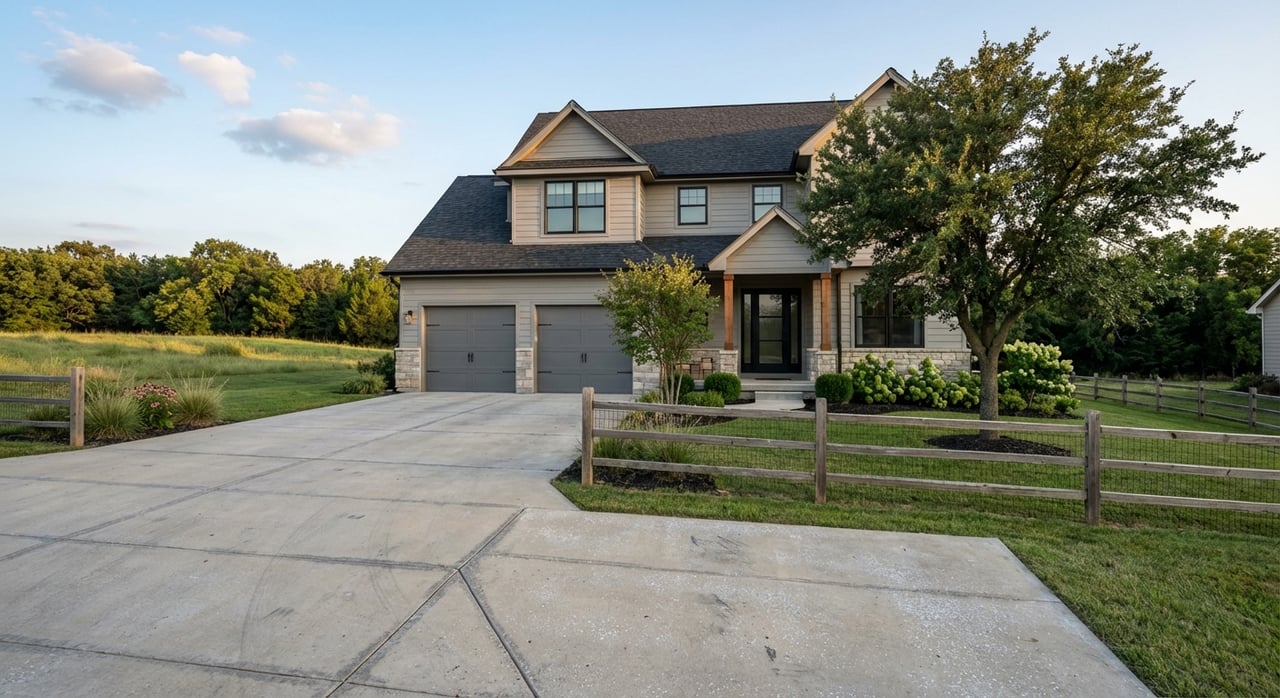
Craving more space without giving up access to Kansas City? If you picture quiet sunsets, room to breathe, and a small-town Main Street, Spring Hill can be a strong fit. In this guide you will see what country living here really looks like, from commutes and housing options to schools, utilities, and acreage due diligence. You will also get a simple checklist to move forward with confidence. Let’s dive in.
Where Spring Hill is
Spring Hill sits on the southern edge of the Kansas City metro and spans Johnson and Miami counties. The city is growing quickly, with an estimated 10,070 residents as of July 1, 2024, up roughly 26 percent since 2020 according to the Census Bureau’s latest estimate. You can explore local maps and property information through the city’s resource hub, which highlights key connections and development context. Spring Hill appeals to people who want a small-city feel with a practical drive into larger employment centers.
- Source: U.S. Census QuickFacts for Spring Hill
- City resource: Spring Hill Maps and Property Info
Commute expectations
Plan about 30 to 45 minutes to downtown Kansas City depending on traffic and your exact starting point. Many residents drive 10 to 25 minutes to reach major Johnson County employment areas like Olathe and parts of Overland Park. Spring Hill relies on highway access and daily life is functionally car dependent. Rush-hour congestion on I‑35 can widen those ranges, so test your route during a typical commute window.
- Reference for ranges: Driving time from Spring Hill to Kansas City
Homes in town and on acreage
You will find two broad options in and around Spring Hill:
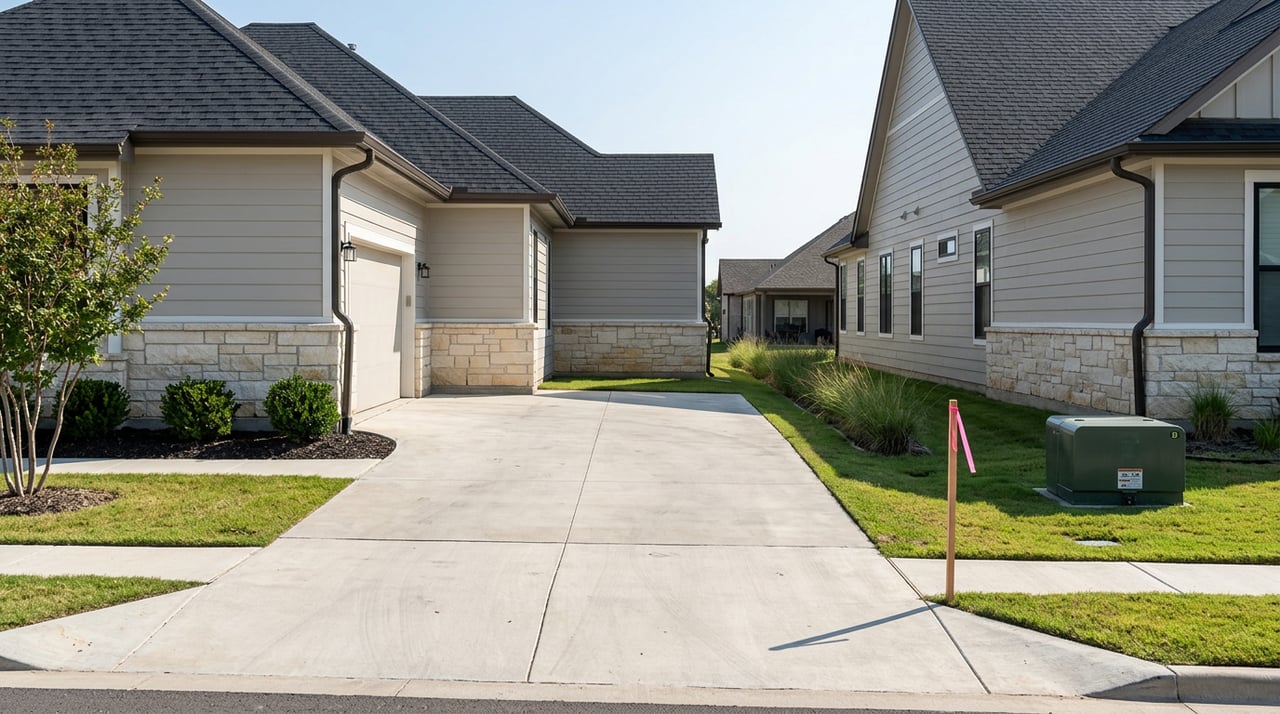
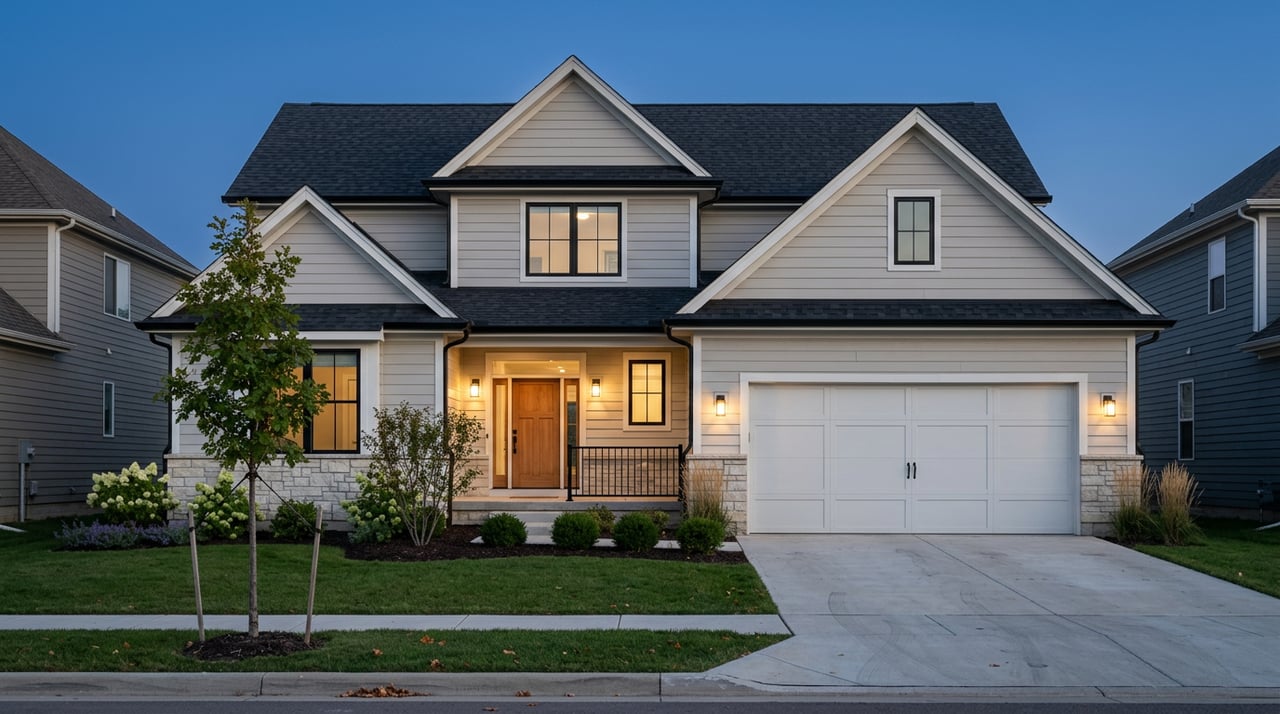
- In‑town neighborhoods and subdivisions. These are conventional single‑family homes on suburban lot sizes, including newer builds. If you want a modest yard and proximity to Main Street, start here.
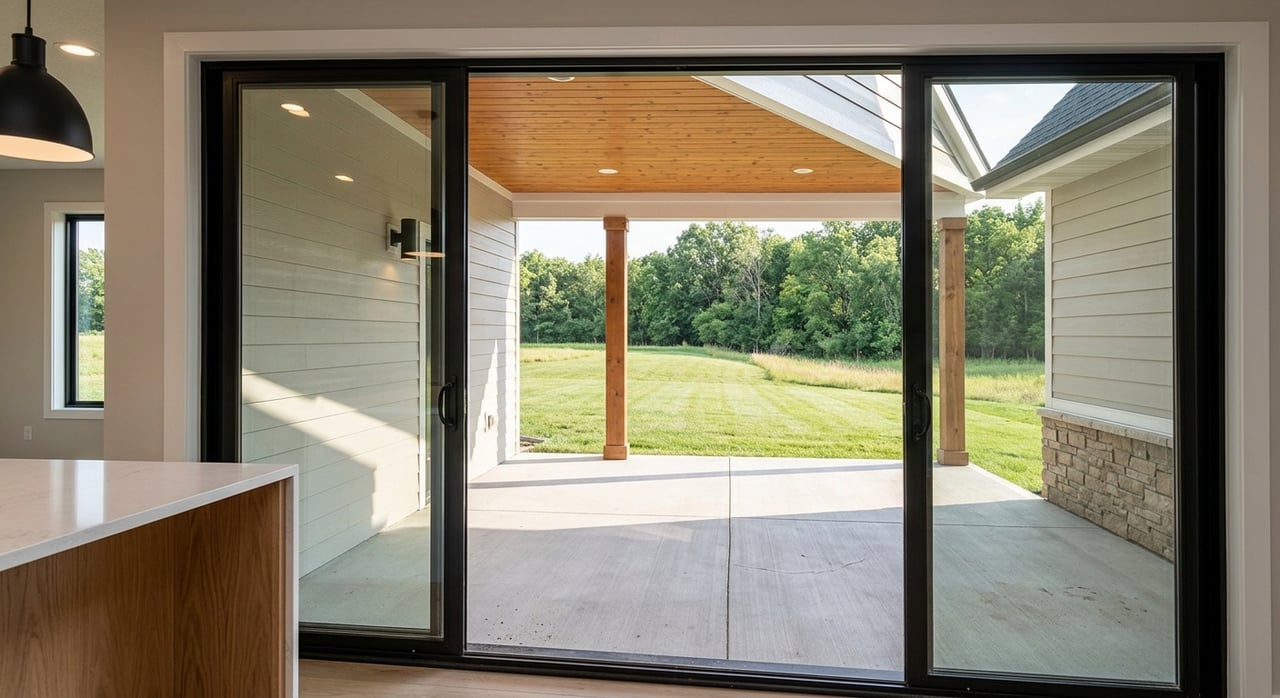
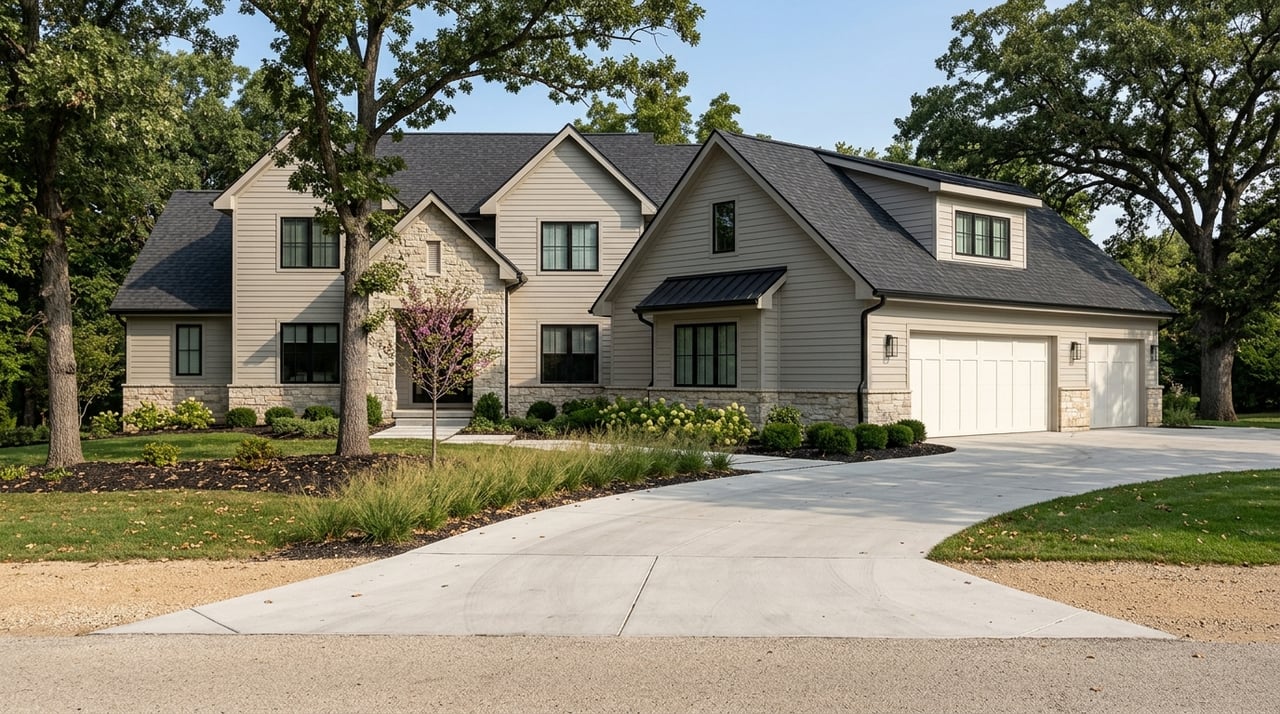
- Acreage and rural parcels. Outside the core, you will see 1+ acre lots all the way up to large tracts that span dozens or hundreds of acres. If you want privacy, space for hobbies, or a small equestrian setup, this is where to look.
City land‑use maps and planning resources reflect this mix and show where residential and rural areas sit today and in the future. Inventory changes often, but active land listings typically include a wide spread of sizes and prices. Expect more driving for schools and shopping if you pick a parcel farther from town.
- Land inventory snapshot: Spring Hill area land search
What it costs right now
Recent public snapshots suggest typical single‑family home values sit in the low to mid 400s in Spring Hill. Zillow’s Home Value Index shows a ZHVI around $413,800 in its latest public view for Spring Hill. Other market snapshots often show medians in the high 300s to low 400s depending on month and method. Pricing varies by neighborhood, lot size, and finish level, and larger‑lot or higher‑end homes can exceed $500,000.
Always check current MLS data for the most accurate picture before you write an offer. If you are comparing in‑town homes to acreage, remember to factor in site improvements, utilities, and any outbuildings you want to add.
- Price context: Zillow Home Values for Spring Hill
Daily life and amenities
Spring Hill offers a small-town core with local groceries, coffee, hardware, and casual dining. For big‑box shopping, hospitals, and some specialty services, most residents drive to Olathe or Overland Park. This rhythm feels natural to many buyers who plan a weekly run into larger centers.
Parks are a highlight. The city operates several parks and a community aquatic center, and nearby Hillsdale Lake offers boating and trails. If your ideal weekend includes fresh air and open skies, you will find it close by.
- Learn more: Spring Hill Parks and Recreation
Schools and growth
Spring Hill is served by Spring Hill USD 230. The district has been growing, with enrollment near roughly 3,900 to 4,000 students for the 2024–2025 year and continued growth projected. The district has planned facility work to manage enrollment, and families should verify attendance boundaries and capacity plans as part of their decision.
- District info: Spring Hill USD 230
Use neutral comparisons as you research, and always confirm which school a specific address feeds before you buy.
Acreage buyer checks
Buying acreage is rewarding, but it comes with extra homework. Here are the big items to confirm early:
Utilities. Parcels inside city limits often have municipal services or known utility providers. Rural parcels may rely on a private well and a septic system. Verify the water provider, whether sewer is available, and if there are any planned extensions or annexations.
Septic and wells. Kansas uses state and county rules to determine if a septic system can be built on a site. Order a soils and site evaluation and confirm the Miami County sanitary code process before you assume a parcel is buildable.
Driveway, access, and easements. Confirm legal access and any recorded easements that could affect how you use the land.
Outbuildings and use. Check permitted uses and any building setbacks before you budget for barns, shops, or arenas.
Septic and onsite wastewater rules: KDHE Local Environmental Protection Program
Tax and appraisal resource for Miami County parcels: Miami County Appraiser
Broadband and remote work
In‑town addresses often have cable or fiber. Rural addresses can vary from fixed‑wireless and 5G home internet to satellite services. If you work from home, verify provider options and speeds by address before you write an offer, especially on acreage.
- Availability check: BroadbandNow for Spring Hill
Is Spring Hill a fit for you?
Spring Hill tends to fit buyers who want more space and are comfortable trading a longer drive for a quieter setting. Families who value a growing district and suburban conveniences within a short drive often feel at home. Acreage and hobby‑farm buyers appreciate the real supply of land in the area but should plan for parcel‑by‑parcel due diligence. Remote workers can make it work, but only if broadband checks out at the exact address.
Quick buyer checklist
Use this simple list to move from browsing to confident action:
- Commute test. Run your exact address to your workplace during a typical rush hour, then decide if the drive fits your life.
- School boundary verification. Confirm the address and school assignment with Spring Hill USD 230 and review any boundary or capacity updates.
- Broadband check. Use an address‑level tool to confirm provider options and speeds, especially on acreage.
- Septic and soils. Order a soils and site evaluation and review county sanitary code requirements before you finalize a land purchase.
- Utilities and water. Confirm your water provider, whether sewer is available, and the cost of any extensions or hookups.
- Property taxes. Use the Miami County appraiser’s tools to estimate taxes and review due dates and protest procedures.
- Site access and surveys. Confirm legal access, easements, and survey details so you know exactly what you are buying.
Next steps
If Spring Hill sounds like your kind of country living close to Kansas City, you deserve an advisor who understands both the lifestyle and the technical details. From wells and septic to easements and surveys, you can move forward with clarity and confidence. Ready to explore homes or acreage around Spring Hill? Reach out to Jamie Howell to start a focused, no‑pressure plan for your move.
FAQs
How long is the Spring Hill to Kansas City commute?
- Typical drives are about 30 to 45 minutes to downtown Kansas City, with rush hour widening the range based on your exact origin and traffic.
What types of homes are available in Spring Hill, KS?
- You will find conventional in‑town subdivisions with suburban lots and a wide range of acreage parcels outside the core, from 1 acre to very large tracts.
Does Spring Hill have parks and outdoor recreation?
- Yes. The city operates multiple parks and a community aquatic center, and nearby Hillsdale Lake adds boating and trails for weekend outings.
What should I know about septic and wells on acreage?
- Rural parcels often use private wells and septic systems; you should order a soils and site evaluation and follow county and KDHE rules before you build.
Is there reliable high‑speed internet for remote work?
- Many in‑town addresses have cable or fiber, while rural coverage varies; verify address‑level options and speeds to ensure service meets your needs.