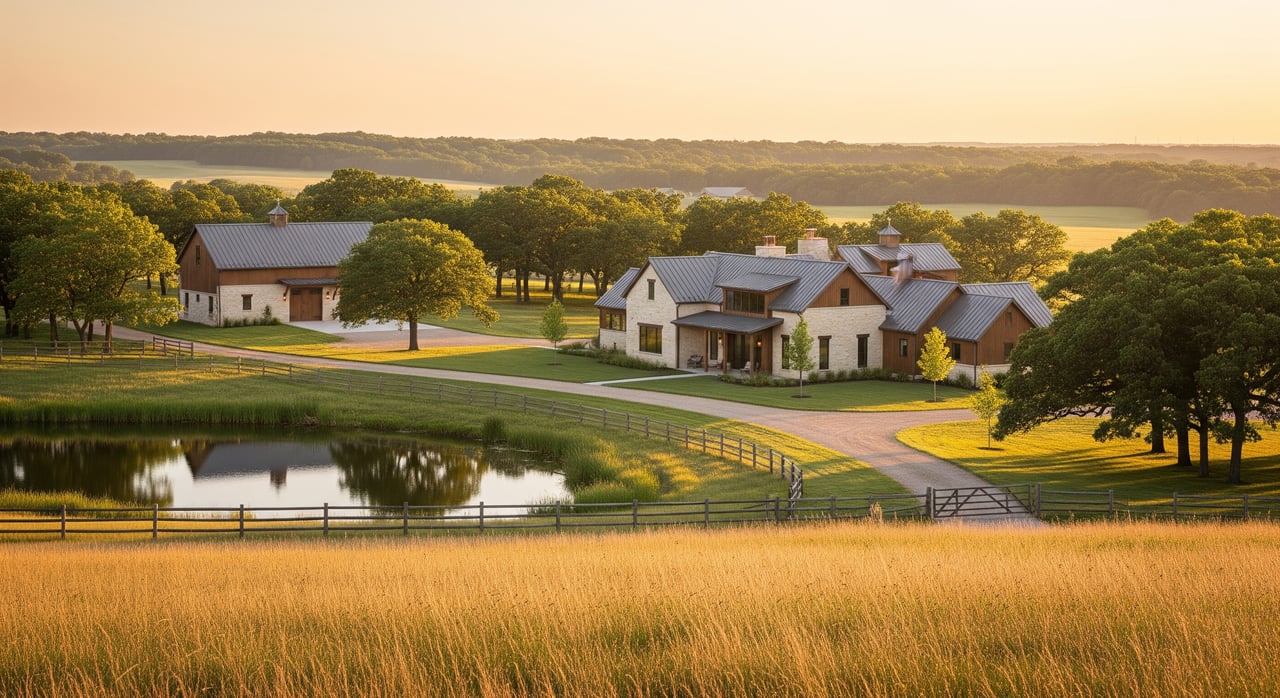
Thinking about a home on land in Overland Park or nearby? Acreage living can be incredible, but the rules are not always simple. Zoning, permits, animal limits, and septic feasibility can make or break your plan. In this guide, you’ll learn how Johnson County zoning works, what to confirm before you write an offer, and how to avoid the most common pitfalls. Let’s dive in.
Who sets the rules
City vs county control
If the parcel sits inside a city like Overland Park, Leawood, Olathe, or Spring Hill, you follow that city’s zoning ordinance and development processes. If it sits in unincorporated Johnson County, you follow county zoning and subdivision regulations. City rules are often more restrictive than county rules, especially for animal keeping, accessory buildings, and lot sizes.
Annexation and ETJs
Parcels near a city edge can be annexed in the future. Once annexed, city rules apply and may change what you can build or keep on the property. Some areas fall within a city’s extraterritorial jurisdiction, which affects how platting and permitting are handled.
Confirm your jurisdiction
Before you fall in love with a property, confirm whether it is inside city limits, in unincorporated county territory, or within a city’s influence area. Contact Johnson County Planning and Zoning or the appropriate city planning department. The Johnson County Appraiser can help verify current land classification and parcel data.
Zoning labels to know
Agricultural and estate agricultural
Agricultural districts are meant to preserve farming and low‑density uses. They typically allow barns and agricultural structures, and they tend to be more flexible with animal keeping. Minimum lot sizes are often larger in these districts, and you still need building permits and must meet environmental and setback requirements.
Rural residential and estate
Rural residential or estate residential districts are common for 1 to 10 acre ranchettes. You usually see larger setbacks and defined limits on the size or height of accessory buildings. Many cities limit the number or type of animals per acre in these zones, and some uses may require a special permit.
Single family inside cities
Traditional single‑family districts focus on smaller suburban lots. Some cities have “estate” versions with larger lots, but they may still limit livestock and larger outbuildings. Expect tighter rules on lot coverage, setbacks, and rental uses.
PUDs and overlays
Planned Unit Developments and rural cluster subdivisions operate by a specific, approved plan. Your lot will follow those recorded conditions. Overlays, like floodplain or watershed areas, add extra rules for where and how you can build.
Key controls on acreage
Setbacks and envelopes
Every parcel has required front, side, and rear setbacks that shape where buildings can go. Easements, floodplain, and recorded building envelopes can further limit usable area. Always verify setbacks against the zoning district and recorded plat.
Accessory structures
Barns, shops, and storage buildings are usually allowed in agricultural and rural zones, but the size, height, and placement often have limits. Inside city limits, design standards and distance requirements from the home may also apply. If you plan a guest house or studio, confirm whether accessory dwelling units are allowed.
Animal keeping
Unincorporated county rules tend to be more permissive for livestock and horses. City codes vary. Many residential districts limit the number of animals per acre or prohibit certain species. Commercial animal uses, such as boarding or breeding, may require a special permit.
Septic and wells
If the property is not on public sewer or water, plan for onsite systems. Kansas onsite sewage systems are regulated by health standards, and feasibility depends on soil type, perc test results, bedrooms, and setbacks. Well permits and water quality testing are part of due diligence.
Stormwater and coverage
Some districts limit impervious surface or require stormwater plans for large structures or grading. If you are near a stream or in a regulated watershed, you may need an engineered drainage plan.
Utilities, roads, driveways
You may need a driveway or culvert permit to access a public road. Sight distance and spacing rules can apply. Confirm utility availability early, especially if you want gas, fiber, or three‑phase power for outbuildings.
Platting and lot splits
Building on raw land often requires platting or compliance with lot split rules. Some rural parcels are unplatted and need special approvals before you can build or sell a portion. This can add time and costs.
Variances and conditional uses
If your plan does not meet a rule, you may apply for a variance or conditional use. These processes involve public hearings and set timelines. Build this into your schedule and purchase contingencies.
Floodplain and environmental
Floodplains and wetlands limit where you can place structures and may require state or federal permits. Conservation easements and recorded restrictions can also limit development. Use FEMA flood maps and request local determinations from planning staff.
How it plays out locally
Overland Park
Overland Park’s code governs parcels inside city limits, including accessory structure standards and animal rules. Estate‑style lots can feel rural, but residential districts may still restrict livestock and building sizes. Confirm whether your plan fits the district and any recorded subdivision conditions.
Leawood
Leawood’s residential and estate districts often emphasize design standards and neighborhood compatibility. Animal keeping and accessory building sizes can be more limited in city districts. Verify rules against the specific zoning and any HOA covenants.
Olathe
Olathe has a range of residential and agricultural districts. In city zones, expect defined limits on accessory structures, setbacks, and potential permits for certain uses. Ask planning staff about ADUs, shops, and animal allowances.
Spring Hill
Spring Hill covers both established neighborhoods and growth areas along the city edge. Parcels near the boundary may face annexation over time. Confirm whether you are in city limits, under county rules, or within a planned development.
Buyer due diligence checklist
- Confirm jurisdiction and zoning designation with the city or Johnson County Planning and Zoning. Request a zoning verification letter if available.
- Pull the recorded plat, deed, and any covenants to find building envelopes, easements, and restrictions.
- Check septic and well feasibility. Review past permits or soil tests, and plan for a site evaluation and water quality testing if needed.
- Identify floodplain, wetlands, and drainage constraints using FEMA maps and local floodplain information.
- Verify accessory building and animal rules for the specific zoning district. Ask about permits for boarding or other commercial activities.
- Confirm utilities, road status, and driveway permit requirements. Clarify who maintains the road and any private easements.
- Ask about building permits, site plan needs, and whether the lot must be platted or split before you can build.
- Review tax classification with the Johnson County Appraiser, including any agricultural valuation requirements.
- Contact planning and health staff for typical review timelines for building, septic, and any variance or conditional use applications.
- Scan comprehensive plans and pending rezonings or annexations that could affect your future use.
Pitfalls to avoid
- Assuming “rural” means no rules. City estate zones often restrict animals and large shops.
- Skipping the plat and covenants. Recorded documents can be stricter than zoning.
- Overlooking septic feasibility. Soil and setbacks, not just lot size, determine what is possible.
- Ignoring access. Private road responsibilities and driveway permits can impact costs and timing.
- Missing annexation signals. Future city rules can change how you use the land.
Plan your timeline
Start with jurisdiction and zoning verification, then review recorded documents and environmental layers. In parallel, schedule septic site evaluations and utility checks. If you need a variance, conditional use, or platting, build in time for public hearings and approvals. A clear step‑by‑step plan helps you protect your deposit and keep your build on track.
Ready to walk through a specific parcel in Overland Park or elsewhere in Johnson County? With a blend of acreage lifestyle experience and engineering‑level due diligence, Jamie Howell helps you confirm what is possible before you commit. If you want a clear path from offer to permits, reach out to Jamie Howell to get started.
FAQs
Can I build any size barn on acreage in Johnson County?
- It depends on your zoning district, accessory structure limits, setbacks, and any recorded covenants; confirm details with the applicable planning and building offices.
Are horses or livestock allowed on acreage in Overland Park and nearby cities?
- Rules vary by city and district; unincorporated county zones are more permissive, while many city residential and estate districts limit the number or type of animals per acre.
How big does a lot need to be for a septic system in Johnson County?
- Lot size alone does not decide feasibility; soil conditions, perc tests, bedroom count, and required setbacks determine whether a system can be permitted.
Can I split or subdivide my acreage later in Johnson County?
- Subdivision depends on zoning, minimum lot sizes, utilities, road standards, and whether the parcel is platted; some rural properties need improvements or approvals before splits.
Are accessory dwelling units allowed on acreage in Overland Park or the county?
- Some jurisdictions allow ADUs in certain districts or by conditional use, while others restrict or prohibit them; confirm in the municipal or county code and any HOA covenants.
What environmental limits should I expect near floodplains or streams?
- Floodplain and wetlands can restrict building locations and require permits; FEMA maps and local floodplain administrators are the starting point for verification.