Buying a home in Lenexa brings a big question early in the process: how much earnest money should you put down, and what happens to it if things change? You want your offer to stand out without putting your deposit at risk. With a little planning, you can do both.
This guide explains how earnest money works in Kansas, what’s typical in Johnson County, how contingencies protect you, and smart ways to structure your offer. You will leave knowing what to expect and how to avoid costly mistakes. Let’s dive in.
Earnest money in Kansas: the basics
Earnest money is a good-faith deposit you make when your purchase contract is accepted. It shows the seller you are serious. At closing, your deposit is typically credited toward your down payment or closing costs.
In Kansas, the purchase contract controls how earnest money is handled. If you terminate for a valid reason within a contract contingency, the deposit is usually refunded to you. If you breach the contract without an allowed reason, the seller may keep the deposit or seek other remedies based on the contract language.
Who holds the deposit matters. In Johnson County, earnest money is commonly held by a neutral third party such as a title company or closing attorney. Your contract should name the holder, explain how to deliver funds, and set a clear deadline.
If a dispute arises about whether the money should be released, the escrow holder typically will not release funds without written agreement from both parties or a court order, unless the contract authorizes a specific unilateral release. Many contracts also outline a path for mediation or other dispute resolution.
Typical amounts and timing in Lenexa and Johnson County
There is no single required amount, but local ranges can guide you. The right number depends on price point and how competitive the market is at the time you make your offer.
- Lower-priced homes or nominal offers: often $1,000 to $2,500.
- Mid-range homes: commonly $2,500 to $7,500.
- Higher-priced homes: often 1 to 3 percent of the purchase price, sometimes more in multiple-offer situations.
Sellers value speed. Many contracts require you to deliver earnest money within 1 to 5 business days after both parties sign. Faster delivery can make your offer feel stronger. Confirm the exact deadline in your contract.
Who holds your deposit
In Johnson County, it is common to have a title company or closing attorney hold the deposit in escrow. Sometimes a listing broker’s trust account is used. Your contract should clearly identify the escrow holder so you know where to send funds.
Delivery and receipt
Expect to deliver funds by wire, check, or a secure electronic method as directed by the escrow holder. You should receive a receipt or escrow acknowledgment, and your agent will document delivery for the file. Keep all confirmations and follow the contract’s delivery instructions exactly.
Contingencies that protect your deposit
Contingencies give you a way to cancel and get your earnest money back if certain conditions are not met within set timelines. The key is to act within the deadlines and follow the notice procedures spelled out in the contract.
Common protections and typical windows
While every contract is different, buyers in Lenexa often see these ranges:
- Inspection contingency: usually 7 to 14 calendar days to complete inspections and negotiate repairs or credits.
- Financing contingency: often 21 to 30 days to secure a loan commitment or meet lender conditions.
- Appraisal contingency: usually tied to financing; if the home appraises low and you cannot reach agreement, you may terminate and recover your deposit if the contract allows.
- Title review: you receive a title commitment for review; if issues cannot be cleared, you may have the right to cancel and refund your deposit.
- HOA or condo review: often 3 to 10 days to review association documents.
- Survey-related items: if included, these come with a short window to object and resolve.
Why deadlines matter
Earnest money is generally refundable while a contingency period is active, as long as you follow the contract rules and deliver notices on time. Missing a deadline can remove protections and may put your deposit at risk. Many contracts use strict calendar or business-day counts tied to acceptance, so track dates carefully and get any extensions in writing.
Offer strategies for Lenexa buyers
Your goal is to balance competitiveness with protection. Here are three approaches commonly used in Johnson County.
Conservative approach
- Choose a moderate earnest deposit, such as a modest flat amount or about 1 percent of the price.
- Keep standard contingencies with practical timelines for inspections, financing, and appraisal.
- Deliver the deposit quickly after acceptance and include strong pre-approval.
- Best for first-time buyers or anyone prioritizing protection.
Aggressive approach
- Increase the deposit toward 2 to 3 percent or a standout flat amount.
- Shorten contingency windows, such as a 7 to 10 day inspection period.
- Provide robust proof of funds and a detailed lender pre-approval.
- Consider limited contingency adjustments only after careful risk review.
- Best in multiple-offer situations, but with higher risk if deadlines are missed.
Clean but protected
- Offer a competitive deposit and fast delivery while keeping key safeguards.
- Tighten timelines where comfortable and communicate a clear plan for inspections and financing.
- Name a reputable local title company to hold funds and include proof of funds with your offer.
Step-by-step: handling your earnest money
- Review the contract language on earnest money with your agent before you sign.
- Confirm who will hold the funds, how you will deliver them, and the exact deadline.
- Have funds ready and provide proof of your ability to deliver the deposit if asked.
- Deposit the money promptly as instructed and get a written receipt.
- Track all contingency deadlines and communicate responses or notices on time.
- If you need to terminate under a contingency, follow the contract’s procedure precisely and deliver the required written notice by the deadline.
- If a dispute arises, loop in your agent and the escrow holder early and follow the contract’s dispute process.
Common scenarios and how they resolve
Low appraisal
If the appraisal comes in below the contract price, your options typically include renegotiating the price, bringing additional cash, or terminating under an appraisal or financing contingency if included and used on time.
Title issues
If the title commitment reveals an issue, the seller may have time to cure. If the problem cannot be resolved as required by the contract, you may be able to terminate and receive a refund of your deposit.
Disputes over refund
If the parties disagree about releasing earnest money, the escrow holder usually needs written agreement from both sides or a court order, unless the contract allows a specific release. Contracts may call for negotiation or mediation to help resolve the issue.
Buying acreage or a house on land?
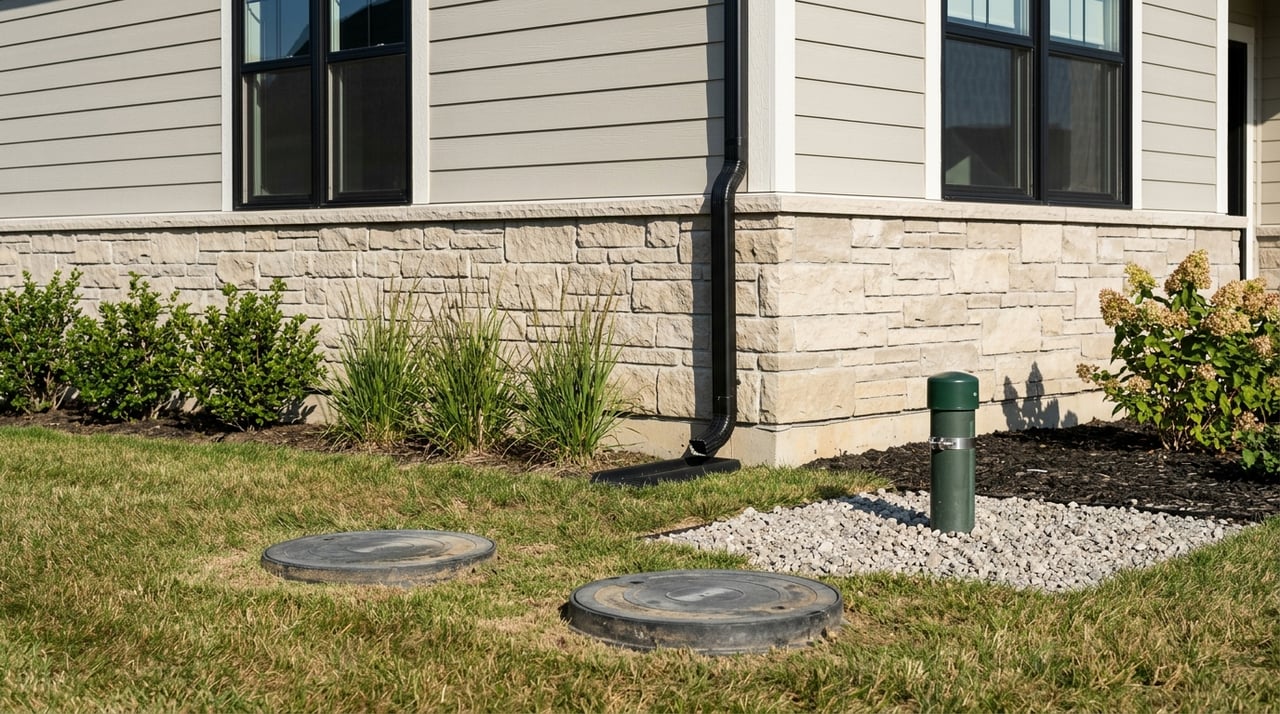
If you are targeting acreage or a house-on-land property around Lenexa and greater Johnson County, the earnest money basics remain the same. What changes is the due diligence that sits behind your contingencies. Survey questions, easements, and utility or septic details may influence your timelines and the confidence you feel shortening them. Build your offer around realistic windows for inspections, title review, survey, and any land-specific research.
Final thoughts
Earnest money is a tool. The right amount and timeline help you signal commitment while keeping sensible protections in place. In Lenexa and Johnson County, focus on a clear contract, quick deposit delivery, and strict attention to deadlines. Pair that with a strategy that fits the level of competition you face and your comfort with risk.
If you would like help tailoring your offer and timelines to current local conditions, reach out to Jamie Howell for a free consultation.
FAQs
How does earnest money work in Kansas home purchases?
- It is a good-faith deposit applied to your costs at closing. The contract governs refunds, deadlines, and what happens if a party breaches.
How much earnest money should I put down in Lenexa?
- Many offers use a few thousand dollars or about 1 to 3 percent of the price. Adjust based on competition, price point, and your risk tolerance.
When is earnest money due after offer acceptance?
- Many contracts require delivery within 1 to 5 business days of mutual acceptance. Confirm your contract’s exact deadline and deliver promptly.
Who holds the earnest money in Johnson County?
- A neutral escrow holder such as a title company or closing attorney commonly holds funds. The contract should name the holder and delivery instructions.
Do I get my earnest money back if I cancel during inspections?
- If you terminate properly and on time under the inspection contingency, the deposit is typically refundable. Follow notice procedures exactly.
Can the seller keep my earnest money if the deal falls apart?
- The seller may keep it only if you breach the contract or fail to follow required termination procedures. Disputes follow the contract’s resolution process.
What if the appraisal comes in low on my Lenexa home?
- You can try to renegotiate, bring extra cash, or terminate under appraisal or financing contingencies if present and exercised within deadlines.