Craving more space but not sure if you want the upkeep that comes with it? Or maybe you love neighborhood amenities yet wonder what you give up in privacy. If you are choosing between a house-on-land and subdivision living in Olathe, you have real tradeoffs to weigh. This guide breaks down utilities, permits, financing, costs, and resale so you can match your lifestyle to the right property. Let’s dive in.
What each option means in Olathe
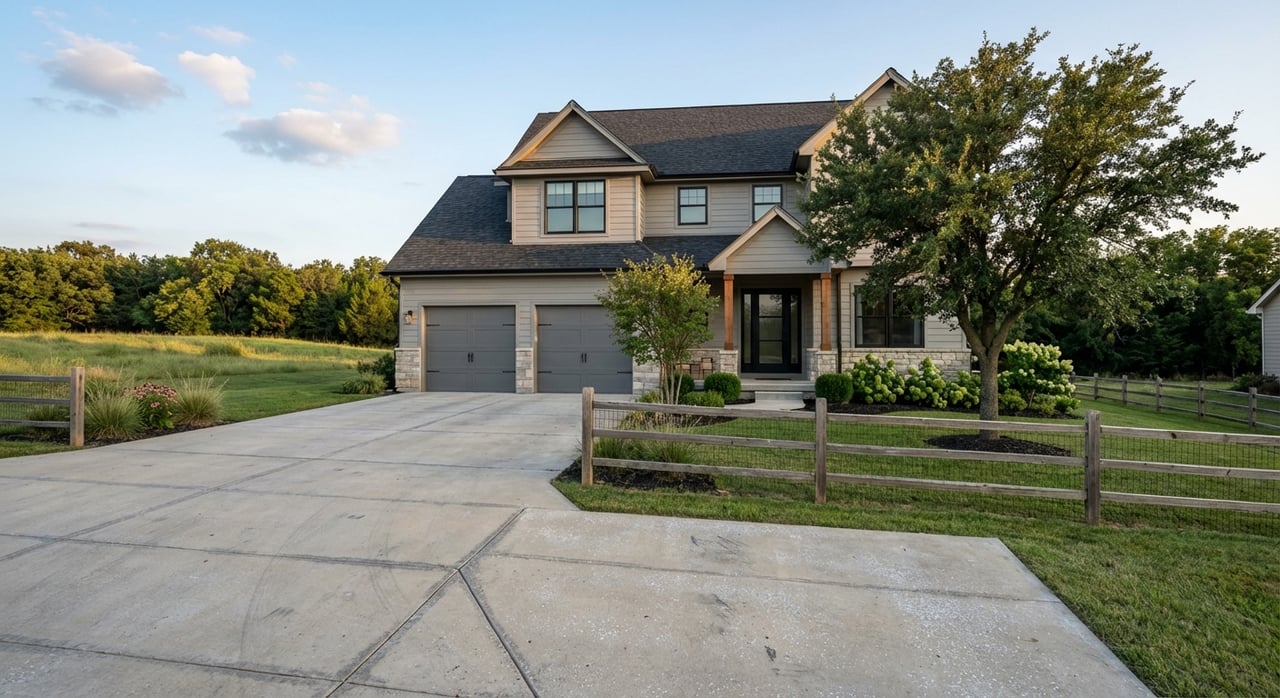
A house-on-land in Olathe usually means a single-family home on a larger parcel, often an acre or more. These properties may sit on the city’s edge or in unincorporated Johnson County. They often use a private well and an on-site sewage system and can have private drives and fewer restrictions.
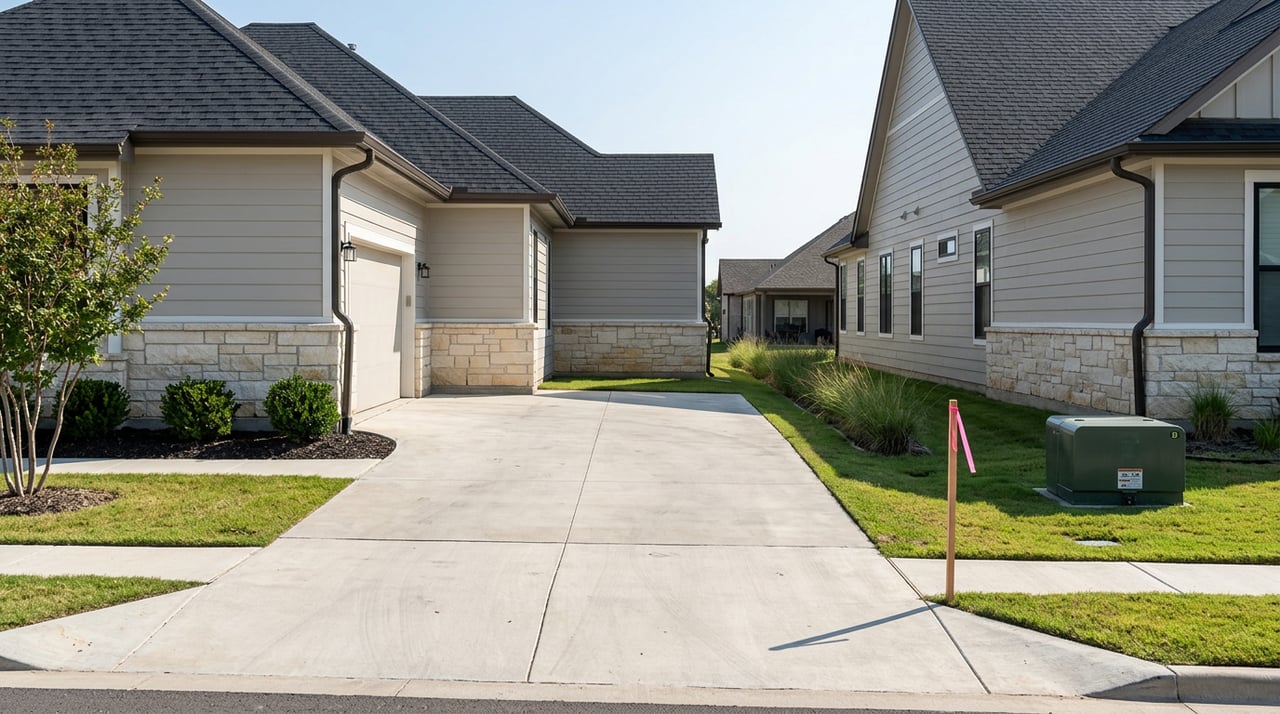
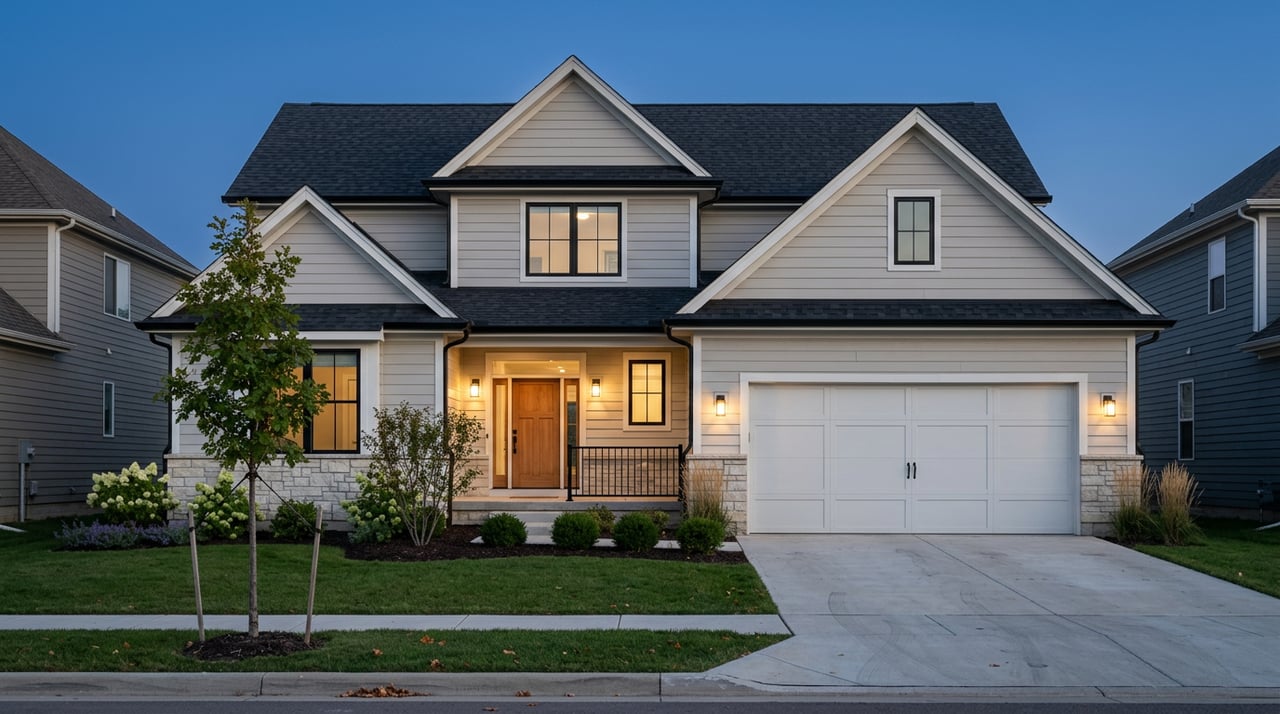
Subdivision living typically means a home on a smaller, platted lot inside a planned neighborhood with public streets, city utilities, and recorded covenants or an HOA. The city’s zoning and subdivision rules outline how subdivisions are created and what standards apply. You can review the framework in the City of Olathe’s zoning and subdivision code overview for context on platting and development standards. See the code resource at Olathe’s zoning and subdivision regulations.
Across Olathe, you will find both options: compact in-town lots, master-planned subdivisions, and acreage properties at the fringe. Local snapshots in early 2026 place the city’s median sale price around the low to mid 400 thousands and a median days on market under about 30. Your resale and appraisal picture will depend on neighborhood-level comparables, not citywide averages.
Utilities and infrastructure
Water and sewer basics
Inside Olathe city limits, most homes connect to municipal water and sanitary sewer. If a property lacks public sewer, Johnson County’s Department of Health and Environment regulates on-site sewage systems, including permits, resale inspections, and enforcement. Confirm service availability and permitting with the city, and assume resale inspections for septic where county code applies. Start with the city’s permit and utility service information and the county’s page on septic systems and resale inspections.
Wells and water supply
Many acreage homes rely on private wells. Lenders often require recent water-quality tests and confirmation of adequate well yield. You can look up well logs and driller reports for specific parcels in the state database at the Kansas Geological Survey well records. Separation distances between wells and septic systems, plus site soil conditions, influence feasibility and cost.
Roads and emergency access
Subdivision streets are commonly public and maintained by the city. Acreage properties can have private drives or private roads that owners must maintain. Private-road standards and emergency access can affect permits and address assignment. Always confirm whether access is public or private and whether a maintenance agreement exists.
Zoning, setbacks, and uses
Zoning classifications set minimum lot sizes, setbacks, and the rules for accessory structures like barns or shops. If you want animals, an RV pad, or a large outbuilding, verify what is allowed for the zoning district and check any recorded covenants. The city’s code overview provides a helpful starting point for standards. See Olathe’s zoning and subdivision regulations.
Costs, financing, and resale
Ongoing utilities and maintenance
- Subdivision homes tend to have predictable monthly bills for city water and sewer, plus curbside services.
- Acreage homes with wells and septic skip monthly sewer charges but add periodic septic pumping, water-quality testing, and potential well maintenance. Larger parcels also bring more mowing, tree care, fence and driveway upkeep, and snow removal on private drives. For budgeting, acreage mowing often starts around the price of a standard lawn service and scales by size. See national ranges for lawn care in this cost guide: lawn care prices and services.
Property taxes and fees
Olathe publishes tax and budget information, and the city has noted holding its mill levy relatively stable even as valuations change. Your bill will track assessed value and any special assessments that apply. If you are evaluating larger or outlying parcels, confirm how the land is assessed. For recent city context, review Olathe’s mill levy and budget news.
Financing and appraisals
Homes on well and septic can qualify for conventional, FHA, VA, or USDA financing, but underwriters often require proof of a safe, adequate water supply and a functioning septic system. Appraisers may call out on-site systems, which can trigger additional inspections. You can review FHA guidance in this HUD handbook update. In Johnson County, septic resale inspections and documentation are common asks during underwriting.
If you are buying raw or lightly improved land, expect higher down payments and different loan terms than a standard subdivision mortgage. Appraisals must rely on appropriate comparables. A 1-acre lot in an area of 0.2-acre lots will appraise differently than acreage in an area where large parcels are common.
Insurance and flood risk
Acreage can carry more exposure to drainage, ponds, and outbuildings. Flood zone status affects insurance requirements and cost. Check a property’s flood zone by address with FEMA’s Flood Map Service Center.
Resale and buyer pool
Subdivision homes often appeal to a broader pool of buyers who want lower maintenance and predictable utilities. Acreage buyers tend to be a smaller, more specific group that values privacy and space. In some Olathe submarkets, that niche demand can support a premium. In others, smaller-lot convenience may sell faster. Use neighborhood-level comps for your estimate of value and time to sell.
Quick chooser: which fit is right for you
You might prefer a house-on-land if you:
- Want privacy, elbow room, or space for a shop, garden, or animals.
- Can budget for septic, well, driveway, and acreage upkeep.
- Value flexibility with fewer HOA-style restrictions.
You might prefer subdivision living if you:
- Want city water and sewer, shorter commutes within Olathe, and lower yard work.
- Prefer predictable monthly utilities and simpler financing.
- Appreciate neighborhood amenities and covenants that keep appearances consistent.
Olathe due diligence checklist
Confirm the parcel’s location and services. Is it inside Olathe city limits or in unincorporated Johnson County. Ask who provides water and sewer and whether both are available at the address. Start with the city’s permit and utility service information.
If private systems are present, collect records. For septic, request permits, system design, capacity, pumping history, and any resale inspection reports from Johnson County’s Department of Health and Environment. For wells, gather well logs, pump tests, and water-quality lab reports. See Johnson County septic system guidance and the Kansas well record database.
Verify zoning and permitted uses. Confirm setbacks, allowable outbuildings, animal rules, and any recorded covenants or HOA guidelines. For context on development standards, review Olathe’s zoning and subdivision regulations.
Estimate utility connection or upgrade costs. Ask the city and utility providers about hookup fees, meter timelines, and service boundaries. For rural parcels, ask about electric transformer distance and broadband options at the exact address.
Pre-check with lenders. Share the property details and ask what inspections they will require for well, septic, or private roads and what down payment they expect for land versus a standard home.
Screen for hazards and insurance. Check FEMA flood maps by address and note any ponds, drainageways, easements, or wetlands that affect use and insurance. Use FEMA’s Flood Map Service Center.
Budget for maintenance. Price mowing or brush control, tree care, fence and driveway upkeep, pest control, and septic pumping. For mowing ballparks, see lawn care prices and services.
Pull neighborhood-level comparables. Compare like with like: acreage to acreage and subdivision to subdivision. City medians are helpful context but not a substitute for hyperlocal comps.
Ready to compare real properties side by side and build a clear plan for inspections, permits, and financing. Reach out to Jamie Howell to map your options, run the numbers, and tour the right Olathe homes for your lifestyle.
FAQs
Will a lender approve a home with a private well and septic in Olathe?
- Often yes. Many loan programs allow it, but lenders commonly require a recent septic inspection and water-quality testing, plus confirmation that the systems meet local and program standards.
If public sewer is nearby, do I have to connect?
- Rules vary by jurisdiction and project scope. Ask the City of Olathe or Johnson County whether sewer is considered “available” and what connection timelines and fees apply for your address.
Do larger lots always sell for more in Olathe?
- Not always. Premiums depend on submarket demand and comparable sales for similar lot sizes. In many areas, low-maintenance small lots appeal to a broader buyer pool. Use neighborhood-level comps to estimate value.
How can I tell if a road is public or private?
- Check the recorded subdivision plat and county or city records. Public streets are typically dedicated and maintained by the city. Private drives or roads usually require owner maintenance or an agreement.
What about internet on the edge of the city?
- Inside Olathe, wired broadband coverage is generally strong. Edge-of-city or rural parcels may rely on fixed wireless, satellite, or 5G home internet. Always confirm options at the specific address before you buy.